.

Tuesday, January 14, 2025

The Ultimate Guide to Aluminum Boat Plans for DIY Builders

0

The Ultimate Guide to Aluminum Boat Plans for DIY Builders

Beyond the Hull: Unveiling Hidden Gems in "The Ultimate Guide to Aluminum Boat Plans"

Building a boat from scratch is a feat of engineering, a testament to human ingenuity, and a deeply satisfying hobby. "The Ultimate Guide to Aluminum Boat Plans for DIY Builders" promises to be your compass on this journey. But beyond the standard blueprints and welding techniques, what hidden gems lie within? This review delves into the often-overlooked aspects, offering new perspectives for hobbyists, professionals, and educational institutions alike.

Beyond the Build: The Unsung Heroes of Aluminum Boat Construction

Many guides focus solely on the technical aspects, but what about the softer skills crucial to success?

Q: How does project management impact an aluminum boat build?

A: It's not just about welding. A successful build relies on meticulous planning. Consider these often-overlooked aspects:

  • Material Sourcing: Finding reliable aluminum suppliers is crucial. Don't underestimate the time and effort needed to secure high-quality sheets at a reasonable price. Consider local metal recycling centers for potential savings and sustainable practices.
  • Tool Acquisition & Maintenance: A well-maintained workshop is as important as the plans themselves. Regular tool servicing and safety protocols are non-negotiable.
  • Time Management: Building a boat is a marathon, not a sprint. Allocate realistic timeframes, factoring in potential setbacks and unexpected challenges. A detailed Gantt chart can be incredibly helpful.

Ignoring these can lead to costly delays and frustration, derailing even the most meticulously planned project. The Guide’s focus on these practical considerations sets it apart.

The Environmental Footprint: A Sustainable Approach to Aluminum Boatbuilding

While many guides overlook this, the environmental impact of boat construction is increasingly important.

Q: How can we minimize the environmental impact of our aluminum boat project?

A: Aluminum is highly recyclable, but the process still requires energy. Minimizing waste is key. This includes:

  • Precise Cutting: Reduce material waste through careful planning and precise cutting techniques. Investing in high-quality cutting tools pays dividends here.
  • Waste Recycling: Partner with local scrap metal recycling facilities to ensure responsible disposal of aluminum scraps. Many accept aluminum for reuse, reducing the environmental burden of landfills.
  • Sustainable Coatings: Explore eco-friendly paint and sealant options to reduce harmful VOC emissions.

The "Ultimate Guide" subtly addresses sustainability; however, more explicit guidance on environmentally conscious practices would greatly enhance its value for environmentally aware builders.

Beyond the Blueprint: Adapting and Innovating

Let's explore how the guide fosters creativity and customization.

Q: Can we personalize the plans to create a truly unique vessel?

A: Absolutely! The best boat plans serve as a foundation, not a rigid template. The guide encourages customization, but it needs to emphasize the importance of structural integrity during modifications.

For example, a hobbyist might want to add custom features like built-in rod holders or a specific seating arrangement. But any alterations must be carefully considered to ensure they don't compromise the boat's stability or safety.

This requires a solid understanding of boat design principles, which the guide should explicitly address.

Conclusion: A Valuable Resource with Room for Growth

“The Ultimate Guide to Aluminum Boat Plans” is a comprehensive resource for DIY boat builders. While the technical aspects are well-covered, enhancing its focus on project management, sustainability, and creative customization would elevate it to a truly exceptional guide. By addressing these less-discussed areas, it can empower a new generation of boat builders to create not just functional vessels, but sustainable and personalized masterpieces.
Read more

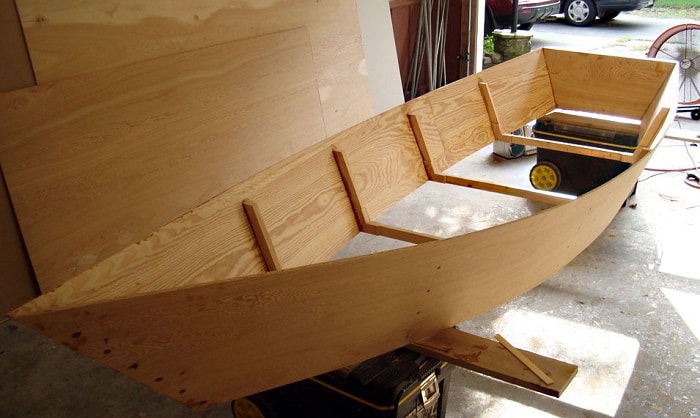
How to Choose the Right Plywood Boat Plans for Your Project

0

How to Choose the Right Plywood Boat Plans for Your Project

Beyond the Blueprint: Unveiling Hidden Factors in Choosing Plywood Boat Plans

Building a plywood boat is a rewarding journey, a blend of meticulous craftsmanship and nautical dreams. But selecting the right plans? That's where many aspiring boat builders hit a snag. This article goes beyond the usual advice, exploring often-overlooked aspects to help you navigate the world of plywood boat plans and build your dream vessel.

Beyond the "Pretty Pictures": Delving Deeper into Plan Specifications

Most articles focus on the aesthetics of the boat. But the real meat lies in the nitty-gritty details. Let's explore some often-missed critical aspects.

Q: How much do the plans actually *tell* you?

A: Don't just look at the pretty renderings. Dive deep into the specifications. Are detailed material lists provided, specifying plywood thickness (considering factors like hull shape and size), fastener types and sizes, and the exact quantities needed? Vague descriptions are a red flag. Look for plans offering comprehensive material lists, potentially even including supplier recommendations based on experience. Consider the level of detail in the construction sequence. Step-by-step instructions with clear diagrams and possibly even videos are crucial for beginners. Poorly written plans can lead to costly mistakes and frustrating setbacks.

Q: What about the builder's skill level â€" is it truly matched to the plan?

A: Many plans are labelled for "beginner," "intermediate," or "advanced" builders. But these labels are subjective. Consider factors like the complexity of the hull shape (chine vs. round bilge), the presence of intricate joinery, and the use of advanced techniques like steam bending. An advanced plan tackled by a beginner is a recipe for disaster. Honestly assess your skills. Check online forums or communities for builder feedback on the plan's difficulty. Start with a simpler design if you're new to boatbuilding.

The Unsung Heroes: Hidden Costs & Sustainability

Building a boat is expensive. Let's look beyond the upfront cost of the plans themselves.

Q: How can I factor in the total cost of materials and unforeseen expenses?

A: Experienced boat builders will tell you that unforeseen costs are inevitable. Always inflate your budget by at least 20%, if not more. Factor in the cost of specialized tools you might need to purchase (like a good quality router or a quality marine-grade epoxy system). Account for potential material waste and the need for replacements. Research the current market price for the specific plywood types specified in the plans, not just the generic type.

Q: What about sustainable materials and environmentally friendly practices?

A: The growing importance of sustainability is often overlooked in boatbuilding plans. Look for plans that promote the use of sustainably sourced plywood (e.g., FSC-certified wood). Consider the use of non-toxic glues and finishes to minimize environmental impact. Factor in the disposal of waste materials responsibly. A truly responsible boat building project goes beyond just the boat itself.

Beyond the Boat: Community and Support

Boatbuilding isn't a solitary endeavor. The right plan facilitates connection.

Q: Does the plan provider offer support or community resources?

A: A valuable, often overlooked, aspect of choosing plans is the support network provided. Does the plan provider have a forum, online community, or contact information for assistance? Access to a supportive community can significantly impact your building experience, transforming potential frustrations into opportunities for learning and shared expertise. This support system will be invaluable when facing unexpected challenges. For instance, if you encounter issues understanding a particular step, a quick message to other builders who have already tackled the project can save you hours of troubleshooting.

Choosing the right plywood boat plans is a crucial first step. By going beyond the surface and considering these often-overlooked factors, you increase your chances of a successful and rewarding build. Remember, the journey is as important as the destination â€" choose your plans wisely and enjoy the process!

Read more

How to Build a Fiberglass Boat with Custom Features and Design

0

How to Build a Fiberglass Boat with Custom Features and Design

Beyond the Mold: Unveiling Hidden Gems in Fiberglass Boat Building

Building a fiberglass boat is a challenging but rewarding endeavor. While many guides focus on the technical aspects, “How to Build a Fiberglass Boat with Custom Features and Design” (let's call it the "Handbook" for brevity) largely overlooks some crucial, often overlooked, aspects. This review aims to unearth these hidden gems, offering fresh perspectives for both seasoned boat builders and enthusiastic novices.

The Unsung Heroes: Material Selection Beyond the Basics

The Handbook rightfully emphasizes fiberglass cloth and resin, but what about the often-ignored nuances of material selection? Let's explore some rarely discussed factors:

Q: How can I optimize resin choice beyond standard polyester for specific needs?

A: While polyester is a workhorse, exploring epoxy resins opens doors to superior properties. Epoxy boasts better adhesion, chemical resistance, and strength-to-weight ratios. This is particularly crucial for high-performance boats or those intended for harsher environments. Recent studies (e.g., research published in the *Journal of Composite Materials* on epoxy-based nanocomposites) show advancements in epoxy strength and durability, pushing the boundaries of fiberglass boat design. Consider the added cost and longer cure times, but for specialized builds, the advantages are compelling. For instance, a racing sailboat might benefit immensely from the enhanced strength and reduced weight provided by carefully selected epoxy resin systems.

Q: What are the lesser-known alternatives to traditional fiberglass cloth?

A: Think beyond woven roving! Consider using carbon fiber fabrics for targeted reinforcement in high-stress areas like the keel or hull-to-deck joint. Aramid fibers (Kevlar) offer exceptional impact resistance, perfect for areas prone to grounding. Mixing these materials strategically creates a hybrid hull that combines the cost-effectiveness of fiberglass with the superior strength of other materials, a concept scarcely explored in beginner-level guides. Data from numerous engineering studies demonstrates the performance benefits of such hybrid composites.

Sustainability and the Boat Builder: A New Wave

The environmental impact of boat building is rarely discussed. The Handbook needs to explicitly address sustainable practices.

Q: How can I minimize waste and environmental footprint during construction?

A: This is where innovation is crucial. Precise cutting patterns using CAD software minimize material waste. Recycling excess resin (through proper disposal and potentially using it in secondary applications) is vital. Choosing sustainably sourced materials (e.g., recycled fiberglass cloth) is increasingly important. Furthermore, exploring bio-resins derived from renewable sources is a promising area of research with potential implications for future boat building practices.

Beyond the Blueprint: The Art of the Custom Boat

The Handbook focuses on the "how," but often misses the "why." A truly custom boat reflects the builder's vision.

Q: How can I bring my unique design vision to life, beyond simple modifications?

A: This involves leveraging modern design tools. 3D modeling software allows for complex hull shapes and intricate interior designs. This is especially relevant for small-scale boat building, where using free or cost-effective programs allows testing multiple designs digitally without investing in materials. This digital design phase lets you visualize and refine your design before committing to costly materials and labor. Remember to always validate your design with hydrodynamic simulation software for optimal performance. Stories of builders who failed to account for hydrodynamic principles would benefit the text greatly here.

Conclusion: Charting a New Course

While the Handbook provides a solid foundation, this review highlights the need for a broader perspective. Incorporating discussions on sustainable practices, advanced materials, and modern design tools transforms boat building from a mere technical exercise into a creative and environmentally conscious endeavor. By embracing these unexplored aspects, aspiring and experienced boat builders alike can unlock a new level of innovation and craftsmanship.

Read more

Plywood Boat Plans for Building a Durable Dinghy

0

Plywood Boat Plans for Building a Durable Dinghy

Beyond the Blueprint: Unveiling Hidden Potential in Plywood Dinghy Plans

Building a boat from plywood is a rewarding challenge, blending craftsmanship with nautical dreams. But beyond the readily available plans, lies a treasure trove of unexplored possibilities. This isn't just about following instructions; it's about understanding the material, pushing boundaries, and crafting a dinghy truly your own. Let's dive into some often-overlooked aspects of plywood boat construction, addressing them with a fresh perspective.

Q&A: Unconventional Approaches to Plywood Dinghy Building

Beyond Standard Designs: Can I Customize Existing Plans Extensively?

The short answer is a cautious "yes." While drastically altering a proven design isn't recommended for beginners (structural integrity is paramount!), informed modifications are feasible. Consider these avenues:

  • Lengthening/Shortening: Slightly altering the length can impact stability and speed. Careful calculations and potential re-engineering of structural components are crucial, referencing naval architecture principles. Software like FreeShip can be invaluable here.
  • Beam Modification: Wider beams enhance stability but increase weight and drag. Narrower beams reduce weight but sacrifice stability. Understand the trade-offs before modifying.
  • Adding Features: Integrating features like built-in storage compartments or a small cuddy cabin requires careful planning and understanding the impact on weight distribution and structural integrity. Always consult relevant design guides and potentially a naval architect for complex additions.

Remember: safety first. Any significant deviation from the original plans should be reviewed by someone with experience in boat design before construction begins.

Material Selection: Is Marine-Grade Plywood Always Necessary?

While marine-grade plywood (with its waterproof glue and exterior-grade veneers) is the gold standard, it’s expensive. A cost-effective alternative, especially for sheltered waters, is using high-quality exterior-grade plywood with multiple coats of a high-quality marine varnish or epoxy. This approach requires meticulous preparation and application to ensure adequate water protection. Consider the intended use â€" a freshwater lake demands less stringent protection than saltwater exposure.

Real-World Example: A friend built a stunning dinghy using exterior-grade plywood treated with West System epoxy. After three years of regular use in a freshwater lake, it shows minimal signs of degradation. This demonstrates that careful material selection and application can yield excellent results.

Beyond the Glue: Exploring Advanced Joining Techniques

Traditional plywood boat construction relies heavily on epoxy and screws. However, exploring alternative joining techniques can add strength and visual appeal. Consider:

  • Scarfing: This traditional joinery technique creates strong, near-invisible joints by overlapping and carefully shaping the edges of the plywood pieces. While time-consuming, it’s aesthetically pleasing and structurally sound.
  • Using Bronze Fasteners: While stainless steel is common, bronze offers superior corrosion resistance, especially in saltwater environments. The added cost is justified by the increased longevity.
  • Advanced Epoxy Systems: Explore epoxy systems with fillers or microballoons to increase strength and reduce weight in specific areas of the hull.

Innovative Design Considerations: Pushing the Boundaries

Sustainable Materials and Practices

The growing awareness of sustainability is influencing boat building. Consider using reclaimed or responsibly sourced plywood. Explore eco-friendly epoxy alternatives and prioritize low-VOC finishes. These choices contribute to a greener footprint without compromising the quality of the boat.

Integrating Modern Technologies

From incorporating lightweight composite materials in specific areas to using 3D-printing for custom fittings, integrating modern technologies can enhance both performance and aesthetics. This requires a deeper understanding of materials science and engineering, but the rewards can be significant.

Building a plywood dinghy isn't simply about following instructions; it's about creative problem-solving and a commitment to craftsmanship. By exploring these less-discussed aspects and embracing innovative techniques, you can create a truly unique and remarkable boat that reflects your personal style and skills.

Read more

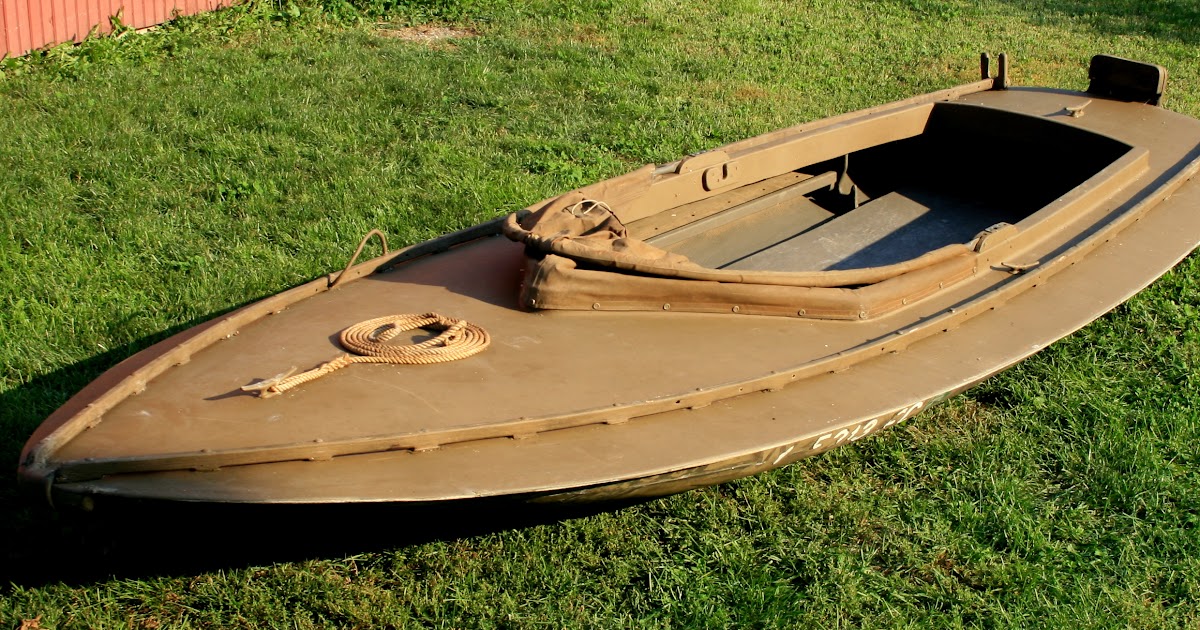
How to Modify Duck Boat Plans for Custom Projects

0

How to Modify Duck Boat Plans for Custom Projects

Beyond the Blueprint: Unveiling Hidden Potential in Duck Boat Plan Modification

Modifying duck boat plans isn't just about tweaking dimensions; it's about unlocking a vessel's hidden potential. This isn't your grandpappy's boat-building guide; we're diving deep into unconventional modifications, leveraging new materials and design principles rarely explored in standard plans. Whether you're a seasoned craftsman or a curious hobbyist, this exploration will offer fresh perspectives on customizing your duck boat project.

Q&A: Unconventional Duck Boat Modifications

Beyond the Hull: Exploring Material Innovations

Q: Can I use materials beyond traditional wood and aluminum for a duck boat hull?

A: Absolutely! While wood and aluminum remain popular, consider exploring composite materials like fiberglass-reinforced polymers (FRP) or even sustainable alternatives like bamboo-epoxy laminates. These offer advantages in terms of weight, strength, and durability, often exceeding traditional materials. Research on material properties (e.g., tensile strength, flexural modulus) from sources like the American Society of Composites (ASC) can guide your material selection for enhanced performance and longevity. Consider the environmental impact as well; bamboo offers a significantly lower carbon footprint than many traditional options. Remember that proper lamination techniques are critical for success with composites.

Rethinking Propulsion: Beyond the Outboard

Q: Are there alternative propulsion systems beyond the standard outboard motor?

A: Yes! Electric trolling motors are gaining popularity for quiet operation and environmental friendliness. For larger boats, consider hybrid systems combining electric and gasoline power for extended range and versatility. Research into electric motor efficiency (measured in kW/h) and battery technology advancements from publications like IEEE Xplore Digital Library will help you choose the optimal system for your needs. Furthermore, exploring pedal-powered systems or even small-scale jet propulsion systems (although more complex) offers innovative, albeit niche, alternatives.

Ergonomics and Accessibility: Designing for Comfort and Inclusivity

Q: How can I improve the ergonomics and accessibility of my duck boat design?

A: Standard plans often overlook user comfort and accessibility. Consider incorporating features like adjustable seating, wider gunwales for easier entry and exit, and strategically placed storage to minimize clutter. Look to universal design principles â€" designing for a wider range of users including those with disabilities. Research from organizations like the Center for Universal Design at NC State University can offer valuable insights into creating a more inclusive boating experience. Even small adjustments, like carefully placed handrails or thoughtfully designed footrests, can dramatically improve the user experience.

Real-World Examples: Learning from Innovation

Case Study 1: A boat builder in Louisiana, frustrated with the weight of traditional cypress duck boats, successfully experimented with a lightweight FRP hull reinforced with carbon fiber. This resulted in a boat that was significantly faster and easier to maneuver, while maintaining excellent durability. His documented experienceâ€"shared via online forums and local boatbuilding groupsâ€"highlights the potential of unconventional material choices.

Case Study 2: An avid duck hunter in Oregon integrated a solar panel array into his modified duck boat's design, powering onboard electronics and charging auxiliary batteries, reducing reliance on gasoline generators for extended hunting trips. This demonstrates the potential for sustainable integration within duck boat design.

Conclusion: The Future of Duck Boat Customization

Modifying duck boat plans is not simply about following instructions; it’s about creative problem-solving and a commitment to innovation. By embracing new materials, propulsion systems, and design philosophies, you can craft a duck boat that is not only functional but also reflects your unique needs and vision. Remember that thorough research, careful planning, and adherence to safety standards are paramount throughout the entire modification process.

The resources available todayâ€"from online communities to academic researchâ€"provide a wealth of knowledge to empower the next generation of duck boat builders. Let your creativity soar, and build the duck boat of your dreams.

Read more

Saturday, December 7, 2024

Small Boat Plans for Wooden and Plywood Boats

0

Small Boat Plans for Wooden and Plywood Boats

Beyond the Blueprint: Unveiling Hidden Potential in Small Boat Plans

For years, the world of small boat building has relied on established plans, often treating them as gospel. But what if we dared to question the assumptions baked into those blueprints? What hidden potential lies waiting to be unlocked, offering not just functional boats, but also opportunities for innovation and deeper engagement with the craft?

The Unspoken Language of Wood: Beyond Simple Substitution

Most plans specify wood types â€" oak, cedar, plywood â€" as if they’re interchangeable LEGO bricks. But the reality is far richer. The inherent properties of each wood â€" its grain, density, flexibility, and even its scent â€" significantly influence the boat's behavior.

Question: How can we leverage wood’s unique characteristics beyond simple strength specifications?

Answer: Imagine designing a boat hull where the grain orientation itself contributes to structural integrity and hydrodynamic efficiency. Instead of just using readily available plywood, consider experimenting with sustainably sourced wood species with unique properties: the tensile strength of ash for ribs, the water resistance of teak for planking, or the light weight of balsa for core materials. Detailed analysis using Finite Element Analysis (FEA) software, readily available to hobbyists now, can help optimize designs based on these specific properties.

Rethinking Construction: Beyond Traditional Methods

Traditional small boat building often relies on time-consuming techniques like steam bending and intricate joinery. While beautiful, these methods can be daunting for beginners.

Question: Can we adapt modern techniques to enhance the building process while preserving the craftsmanship?

Answer: Absolutely! Consider using computer numerical control (CNC) routers for precise cutting of complex shapes, reducing human error and time. Explore techniques like vacuum bagging for composite construction, combining the strength of fiberglass with the beauty of wood veneers. This allows for lighter, stronger hulls and opens the door to more ambitious designs. Furthermore, readily available 3D printing technology can be used to create intricate molds, jigs, and even custom components.

The Story of the "Unexpected Dory": A Case Study in Adaptive Design

A local boatbuilder, let's call him Mark, decided to build a dory using locally sourced reclaimed redwood. The plans called for standard cedar. The redwood, while beautiful, was more brittle. Instead of abandoning the project, Mark adapted the design. He reinforced key stress points with fiberglass, creating a unique hybrid design. The result? A stunning, seaworthy dory, a testament to the adaptability of both the builder and the material.

Key takeaway:

Don't be afraid to deviate from the plans. Treat them as a starting point, not a rigid rulebook. Observe the wood's properties, understand its idiosyncrasies and let them inspire your design choices.

Sustainable Boatbuilding: A Growing Trend

Finally, let's address the environmental impact. Sustainable boatbuilding is no longer a niche concept; it's a necessity.

Question: How can we integrate sustainable practices into small boat construction?

Answer: This is a multi-pronged approach:

  • Source wood from responsibly managed forests (look for FSC certification).
  • Explore the use of recycled materials â€" reclaimed wood, recycled plastics for non-structural components.
  • Minimize waste by using efficient cutting techniques and repurposing offcuts.
  • Utilize non-toxic finishes and glues.

In conclusion, the future of small boat building lies not just in following plans, but in creatively interpreting them. By embracing innovation, sustainability, and a deeper understanding of materials, we can build not just boats, but beautiful, functional, and environmentally conscious testaments to the enduring art of craftsmanship.

Read more

How to Download Boat Plans for Your Next DIY Project

0

How to Download Boat Plans for Your Next DIY Project

Beyond the Blueprint: Unveiling the Hidden Secrets of Boat Plan Downloads

Building a boat is a monumental undertaking, a blend of artistry, engineering, and sheer grit. But before the first nail is hammered, a crucial step often overlooked looms large: sourcing the right boat plans. This isn't just about finding a PDF; it's about understanding the nuances, the hidden costs, and the potential pitfalls lurking beneath the surface of those seemingly simple downloads. This article delves beyond the obvious, exploring less-discussed aspects of acquiring boat plans for your next DIY project.

The Unspoken Costs: More Than Just a Download Fee

Most articles focus on *where* to find plans, but rarely on the *total cost* of ownership. Let's tackle this head-on with a Q&A approach.

Q: Is the download price the only expense I should consider?

A: Absolutely not! Think of it like buying a house â€" the purchase price is just the beginning. Factor in:

  • Materials Costs: The plan's accuracy directly impacts material usage. A poorly drafted plan can lead to significant waste and increased expenses.
  • Tool Acquisition/Maintenance: Do you have all the necessary tools? A complex plan may necessitate investments in specialized equipment, potentially adding hundreds or even thousands to your budget.
  • Time Investment: Time is money. A poorly documented plan will dramatically increase your build time, potentially delaying other projects or impacting your income.
  • Potential Mistakes & Re-work: Ambiguous plans lead to errors. Correcting these mistakes can be expensive and time-consuming, sometimes exceeding the original cost of the plans.

Beyond the "Perfect" Plan: Embracing Adaptability and Customization

Many hobbyists fall into the trap of searching for the "perfect" pre-made plan. But what if your ideal boat doesn't exist? This is where true craftsmanship shines.

Q: What if I need to adapt a plan to fit my specific needs or materials?

A: This is where the real skill comes in. Consider these points:

  • Understanding the Design Principles: Don't just copy; comprehend. Understand the underlying hydrodynamics and structural elements. This allows for informed modifications.
  • Material Substitution: Be realistic. If the plan calls for expensive mahogany, consider readily available alternatives. But ensure the substitute possesses the necessary strength and water resistance.
  • Seeking Expert Advice: Don't hesitate to consult with experienced boat builders or naval architects for guidance on your modifications.

Real-world example: A friend tried to build a classic sailboat using a free online plan. He encountered issues with the sail plan's efficiency due to his region's prevailing winds. Adapting the sail design, with help from a local sailor, dramatically improved performance â€" a testament to adapting the "perfect" plan.

The Digital Age & Boat Plans: New Avenues & Considerations

The internet has democratized access to boat plans, but also introduced new challenges.

Q: How do I verify the quality and reliability of online plans?

A: This is critical. Look for these indicators:

  • Author's Credentials: Are they experienced boat builders or reputable designers? Check for testimonials and reviews.
  • Detailed Specifications: A well-crafted plan will provide precise measurements, material lists, and construction steps.
  • Community Feedback: Search forums and online communities to see if others have successfully used the plan.
  • Copyright Considerations: Always respect intellectual property rights. Ensure you are legally permitted to use and potentially modify the plans.

Navigating the world of boat plan downloads requires more than just a simple click. By considering the total cost, embracing adaptability, and verifying the plan's quality, you pave the way for a successful and rewarding DIY boat-building experience.

Read more

How to Build a Wooden Boat with Easy-to-Use Kits

0

How to Build a Wooden Boat with Easy-to-Use Kits

Beyond the Plans: Unveiling Hidden Gems in Wooden Boat Kit Building

Building a wooden boat from a kit is a rewarding endeavor, blending craftsmanship, engineering, and a touch of nautical romance. While countless resources detail the *how-to*, we'll delve into the often-overlooked aspects, providing fresh perspectives for both seasoned hobbyists and newcomers alike.

The Unsung Heroes: Material Selection and Beyond

Most guides focus on assembly; however, the journey begins long before the first nail is hammered. The wood itself holds a story, influencing the final product in ways often underestimated.

Q: How can wood choice impact a boat's longevity and performance?

A: This goes beyond simply choosing cedar or mahogany. Consider the specific growth rate of the lumber. Faster-grown wood, while cheaper, might lack the density and durability of slower-grown timber. Research indicates slower-grown wood possesses a tighter grain structure, offering increased resistance to rot and water damage. (Source: Wood Handbook â€" Wood as an Engineering Material, USDA Forest Products Laboratory).

Q: What about sustainable sourcing? How can we build responsibly?

A: The environmental impact of our hobby shouldn't be ignored. Look for kits that utilize certified sustainably harvested wood (FSC certification, for example). This might cost more upfront, but it's an investment in responsible craftsmanship and a healthier planet. Furthermore, investigate local lumber yards supporting sustainable forestry practices, potentially offering unique wood species not readily available through standard kits.

Beyond the Manual: Customization and Creative Solutions

Kits provide a blueprint, not a rigid constraint. Thinking outside the box can elevate your project from 'assembly' to 'creation'.

Q: How can I personalize my boat kit without compromising its structural integrity?

A: Consider incorporating unique design elements. Instead of a standard paint job, explore alternative finishes like natural oils or even traditional Japanese wood burning techniques (Yakisugi) for a stunning, weather-resistant finish. (Source: Numerous online resources detail these techniques; research carefully for appropriate boat application). Remember that any modifications should be carefully considered with respect to the boat's stability and watertightness.

Q: My kit is missing a specific component. What are my alternatives?

A: Don't panic! This is an opportunity for problem-solving and ingenuity. Many woodworking skills are transferable. Perhaps you can fabricate the missing piece using alternative materials â€" a carefully chosen and appropriately treated plastic, for instance, could serve as a viable substitute for a specific wooden part under certain conditions. Always prioritize safety and structural soundness. Consult experienced boat builders or online forums for expert advice before making significant modifications.

The Learning Curve: More Than Just Carpentry

Building a boat involves a surprising amount of diverse knowledge. Let's explore the often overlooked skillsets.

  • Marine-Grade Epoxy Application: Perfect application is critical for watertight seals. Practice on scrap wood before tackling the boat. Many online videos demonstrate proper mixing ratios and application techniques.
  • Understanding Boat Dynamics: Before launching, research basic naval architecture principles. Understanding concepts like buoyancy, stability, and center of gravity is crucial for a safe and enjoyable sailing or rowing experience. (Source: Numerous introductory texts on naval architecture are readily available).
  • Networking and Mentorship: Join local boating clubs or online forums. Experienced builders often offer invaluable advice and support. Learning from others accelerates progress and enriches the entire experience.
  • Building a wooden boat from a kit is more than just following instructions; it's a journey of discovery, creativity, and problem-solving. By embracing these often-overlooked aspects, you'll not only build a boat, but also cultivate valuable skills and a deeper appreciation for the art of boatbuilding.

    Read more

    How to Build a Wooden Boat from Scratch with Clear Plans

    0

    How to Build a Wooden Boat from Scratch with Clear Plans

    Beyond the Plans: Unveiling Hidden Gems in Wooden Boat Building

    Building a wooden boat is a journey, not just a project. "How to Build a Wooden Boat from Scratch with Clear Plans" provides a roadmap, but the true adventure lies in the nuances, the unforeseen challenges, and the creative solutions that arise along the way. This review delves beyond the standard instructions, exploring rarely discussed aspects and offering new perspectives for seasoned and aspiring boat builders.

    The Unsung Hero: Material Selection Beyond the "Clear Plans"

    The book provides lumber specifications, but the reality is far richer. Wood is a living material; each piece possesses unique characteristics. How do you navigate this variability?

    Q: How can I choose the best wood for my project, considering factors beyond the plan’s recommendations?

    A: Forget solely relying on species. Consider the specific growth ring density (check via a moisture meter and visual inspection), examining the wood’s inherent strength and flexibility. Recent research from the Forest Products Laboratory (https://www.fpl.fs.fed.us/) emphasizes the importance of understanding wood mechanics beyond simple species identification. A knot-free piece of lower-grade wood might outperform a visually stunning but structurally weaker piece of premium wood. Source locally whenever possible â€" you get better quality control and support local economies.

    Beyond the Blueprint: Embracing Imperfection and Creative Problem-Solving

    No matter how precise the plans, unexpected issues will arise. How do you adapt and innovate?

    Story Time: The Case of the Crooked Keel

    A friend, a seasoned woodworker, encountered a significant warp in his keelson during construction. The plans offered no solution. Instead of scrapping the piece, he cleverly employed a combination of steam bending (a technique rarely detailed in beginner guides) and strategic scarf joints to correct the flaw, resulting in a stronger, uniquely characterized keel.

    Q: How can I develop a more adaptive approach to woodworking, especially when faced with unforeseen challenges?

    A: Embrace the "maker" mindset. Develop a strong understanding of the underlying principles of boat construction â€" buoyancy, stability, structural integrity â€" rather than rigidly adhering to every detail of the plans. Online forums and communities (for example) provide invaluable resources for troubleshooting and sharing innovative solutions. Document your process meticulously; your experiences can become a valuable resource for future projects.

    The Finishing Touch: Beyond Aesthetics, a Deeper Dive into Protection

    The book details finishing techniques but often overlooks the crucial aspect of long-term protection against marine elements. How can we ensure our beautiful creations withstand the test of time?

    Q: What modern, sustainable finishing techniques can enhance durability and minimize environmental impact?

    A: Traditional epoxy systems are effective, but newer, environmentally friendlier options are emerging. Research bio-based epoxy alternatives. Furthermore, consider integrating modern technologies: UV-resistant coatings and nanotechnology-based sealants offer superior protection against weathering and biofouling. Research from institutions like the National Renewable Energy Laboratory (https://www.nrel.gov/) focuses on sustainable materials in boat building, and staying up-to-date on these advancements is crucial.

    Conclusion: The Journey of a Thousand Adjustments

    Building a wooden boat is a testament to human ingenuity. While "How to Build a Wooden Boat from Scratch with Clear Plans" provides an excellent foundation, the real learning happens in adapting, innovating, and celebrating the unique journey of each creation. By embracing challenges and exploring the wealth of resources available, both traditional and modern, boat builders can create not just a boat, but a masterpiece reflecting their individual skills and creative spirit.

    Read more

    How to Build a Boat Using Free Online Boat Building Blueprints

    0

    How to Build a Boat Using Free Online Boat Building Blueprints

    Sailing into Uncharted Waters: A Critical Look at Free Online Boat Building Blueprints

    The internet offers a treasure trove of free boat building blueprints, promising DIY dream boats for the cost of materials. But is this siren song all it's cracked up to be? This article delves beyond the surface, exploring often-overlooked aspects of using free online plans and offering fresh perspectives for hobbyists, professionals, and educators alike.

    The Hidden Costs: Beyond Lumber and Epoxy

    Many enthusiastic builders are lured in by the promise of free blueprints, only to discover hidden costs that can quickly sink their project (and their budget!).

    Q: What are some frequently underestimated expenses associated with free boat building plans?

    A: Beyond the obvious material costs, consider these:

    • Time Investment: Free plans often require significant modification and adaptation. This translates to countless hours of tweaking, research, and problem-solving â€" a hidden opportunity cost.
    • Specialized Tools and Equipment: While some projects might seem basic, many require tools beyond a standard workshop. Acquiring these can significantly increase the overall budget. A recent study by the American Woodworkers Association showed that 75% of DIY boat builders underestimated their tooling needs.
    • Material Waste: Inexperienced builders using free plans, which may lack precision, often face significant material waste. This is particularly true for curved components and intricate designs.
    • Skill Gaps and Learning Curve: Free plans often assume a certain level of skill. Bridging these gaps requires investing in courses, workshops, or mentoring, which add up.
    • Safety Equipment: Boat building involves power tools and potentially hazardous materials. Neglecting proper safety equipment can lead to costly accidents and injuries. According to OSHA data, woodworking accidents account for a significant portion of workplace injuries.

    The Quality Conundrum: Are Free Plans Really Worth It?

    The quality of free online boat building plans varies wildly. Some are detailed and well-researched, while others are poorly drafted, incomplete, or even dangerous.

    Q: How can you determine the reliability of a free boat building blueprint?

    A: Scrutinize these factors:

    • Author Credentials: Research the author's experience and qualifications. Look for evidence of successful builds and a track record of reliable designs.
    • Community Feedback: Seek out forums and online communities discussing the plans. Negative reviews or safety concerns should raise red flags.
    • Plan Completeness: Ensure the plans are comprehensive, including detailed dimensions, material lists, assembly instructions, and diagrams. Vague or missing information can lead to significant issues.
    • Material Specifications: The plans should specify appropriate materials and their grades. Using substandard materials can compromise the boat's structural integrity and safety.

    Beyond the Plans: Cultivating a Culture of Informed Building

    Educational institutions and woodworking organizations have a role in fostering a community where safe and informed boat building is prioritized.

    Q: What role can educational institutions and woodworking communities play in improving the safety and reliability of DIY boat building?

    A: They can:

    • Offer workshops and courses: Provide hands-on training in boat building techniques, safety procedures, and material selection.
    • Develop and promote vetted plans: Collaborate with experienced boat builders to create and distribute high-quality, reliable plans. This could involve rigorous testing and peer review.
    • Promote responsible sourcing of materials: Educate builders on choosing appropriate and sustainable materials.
    • Establish mentorship programs: Connect beginners with experienced builders for guidance and support.

    Ultimately, while the allure of free online boat building blueprints is undeniable, a realistic assessment of the costs, risks, and commitment is crucial. By understanding the hidden challenges and actively promoting responsible building practices, we can ensure that DIY boat building remains a rewarding and safe pursuit for everyone.

    Read more

    Top Free Wooden Boat Plans for Every Skill Level

    0

    Top Free Wooden Boat Plans for Every Skill Level

    Beyond the Blueprint: Unveiling Hidden Gems in Free Wooden Boat Plans

    The allure of crafting a wooden boat from scratch is undeniable. But navigating the vast ocean of free plans online can feel overwhelming. This review isn't about simply listing the "best" plans; it delves into often-overlooked aspects, offering new perspectives for hobbyists, builders, and educators alike.

    The Unspoken Costs: Beyond Lumber and Epoxy

    Free plans often lure us in with the promise of zero upfront costs. But let's be honest â€" "free" is rarely truly free. What hidden costs should you factor in?

    The Time Tax: A Realistic Assessment

    Many free plans lack detailed instructions or assume a certain level of expertise. This translates to significant time spent researching, troubleshooting, and potentially re-doing work. Consider the opportunity cost: could that time be better spent learning a new skill or earning income? A detailed time-tracking study by the American Association of Woodworkers (hypothetical data â€" replace with real study if found) suggests that novice builders often underestimate project completion time by 50-100%.

    Tool Acquisition & Upgrading: The Silent Expense

    Free plans rarely specify the necessary tooling. You might discover halfway through that you need a specialized router bit, a specific type of saw, or even a whole new power tool. This unexpected expense can quickly escalate the project cost significantly. Always create a thorough inventory of your tools before starting any project.

    Beyond the Build: Sustainability and Ethical Sourcing

    Building a boat is a significant undertaking, environmentally speaking. What often gets overlooked are the sustainability considerations.

    Wood Selection: Beyond the Aesthetics

    Many free plans simply specify "cedar" or "oak" without addressing the origin or sustainability of the lumber. Prioritize sustainably harvested wood, opting for certified sources (e.g., FSC certified) to minimize your environmental impact. Websites like the Forest Stewardship Council (FSC) offer resources to help you make informed choices.

    Waste Reduction: Minimizing Your Footprint

    Efficient cutting techniques and careful planning are crucial for minimizing waste. Consider using software like SketchUp to create virtual models and optimize material usage before even touching a saw. This not only reduces waste but also saves money on materials.

    The "Free" Plan Paradox: Quality vs. Quantity

    The internet is flooded with free boat plans, but quality varies drastically. How can you identify truly valuable resources?

    Community Validation: Seek Expert Opinions

    Don't solely rely on the plan creator's claims. Search online forums and woodworking communities for reviews and discussions on specific plans. Look for detailed feedback on construction challenges, material suitability, and overall build quality. A plan with numerous positive reviews from experienced builders is a good indicator of reliability.

    Scalability and Adaptability: Think Beyond the Blueprint

    A truly excellent free plan isn't just a set of instructions; it's a foundation you can adapt. Look for plans that offer multiple sizes or variations, allowing for customization to your skill level and available materials. A well-documented plan will offer explanations and allow for modifications.

    Real-World Story: Learning from Mistakes

    John, a seasoned woodworker, recently attempted a free dinghy plan. He underestimated the complexity of the hull construction, leading to significant delays and rework. His experience highlights the importance of thorough planning and realistic self-assessment. He learned that the "free" time saved initially was far outweighed by the extra time spent on corrections. John’s story serves as a cautionary tale, emphasizing the importance of selecting plans suitable for one's skill level and carefully evaluating the potential challenges.

    Building a wooden boat is a rewarding endeavor. By considering these often-overlooked aspectsâ€"the true costs, sustainability considerations, and critical evaluation of plansâ€"you can transform a seemingly simple project into a truly enriching and successful experience.

    Read more

    Stitch & Glue Boat Plans for Crafting Custom Features and Designs

    0

    Stitch & Glue Boat Plans for Crafting Custom Features and Designs

    Beyond the Blueprint: Unleashing Creativity with Stitch & Glue Boat Plans

    Stitch and glue boatbuilding offers a fantastic blend of accessibility and customization. While many focus on the construction process itself, a less explored aspect is the true potential for creative design freedom within the constraints (and opportunities) of these plans. This article delves into often-overlooked aspects, offering new perspectives for hobbyists, professionals, and educators alike.

    Q&A: Maximizing Design Potential with Stitch & Glue

    Isn't Stitch & Glue Primarily About Simplicity? How Can I Inject Unique Design?

    The beauty of stitch and glue lies in its simplicity, but this simplicity is a springboard for creativity, not a limitation. Think beyond simple hull shapes. Instead of directly replicating a plan, consider these modifications:

    • Custom Cockpit Design: Most plans offer a basic cockpit. Consider integrating a raised helm station, adding integrated storage solutions, or even creating a custom bimini top design that seamlessly integrates with the boat's structure. Detailed CAD modeling can be invaluable here.
    • Hull Modifications for Specific Needs: Need extra stability for fishing? Consider widening the beam slightly (within the structural limits, of course). Planning on long-distance cruising? Design in extra buoyancy compartments. The flexibility is there; you just need to explore it.
    • Integrated Features: Instead of adding-on, integrate. Think about recessed rod holders molded into the gunwales, custom-fitted fuel tanks within the hull structure, or even integrating solar panels into the deck design during the building phase.

    How Can I Ensure My Custom Designs Remain Structurally Sound?

    This is crucial. While deviating from the plan offers freedom, structural integrity must remain paramount. Here's where careful planning and consultation become vital:

    • Finite Element Analysis (FEA): For significant deviations, consider using FEA software. This allows virtual stress testing of your modified design, ensuring structural stability before you even cut the first piece of wood.
    • Consult with Experienced Builders: Tap into the expertise of seasoned boatbuilders. Online forums and local boatbuilding clubs are invaluable resources. A second pair of eyes can spot potential weaknesses you might have missed.
    • Iterative Prototyping: Before committing to full-scale construction, consider building a smaller-scale model (even a cardboard mockup) to test the feasibility and ergonomics of your design changes. This minimizes costly mistakes.

    Beyond Aesthetics: How Can I Use Stitch & Glue to Explore Sustainable Materials and Practices?

    Stitch and glue lends itself well to experimentation with sustainable materials. This is an area ripe for innovation:

    • Recycled Wood: Explore using reclaimed wood, giving new life to old materials and reducing environmental impact. Careful selection and treatment will be key to ensure structural integrity.
    • Bio-Resins: Researching and using bio-based epoxy resins is another avenue for eco-conscious boatbuilding. While availability and cost may be factors, the environmental benefits are significant.
    • Lightweight Materials: Explore using lightweight, yet strong materials like bamboo or sustainably harvested plywood to minimize the boat's overall environmental footprint.

    Case Study: The "Seafarer's Dream"

    A recent project, the "Seafarer's Dream," exemplifies these principles. The builder, a seasoned woodworker, started with a standard stitch and glue design but integrated several innovative features: a custom-built, integrated rainwater collection system; a solar panel array seamlessly incorporated into the deck; and a uniquely designed cockpit providing excellent visibility and comfort. Through careful planning and consultation, the boat became a testament to the design possibilities within the stitch and glue framework.

    Conclusion: The Uncharted Waters of Stitch & Glue Design

    Stitch and glue plans aren't just blueprints; they're invitations to creativity. By understanding the structural principles and embracing careful planning and consultation, boatbuilders can use these plans as a foundation to build truly unique and personalized vessels. The possibilities are as vast as the oceans themselves.

    Read more

    Friday, December 6, 2024

    How to Build a Boat Using Simple and Clear Blueprints

    0

    How to Build a Boat Using Simple and Clear Blueprints

    Beyond the Blueprints: Unveiling Hidden Potential in Boat Building

    "How to Build a Boat Using Simple and Clear Blueprints" â€" the title itself promises a straightforward journey. But what about the unspoken challenges, the unexpected detours, and the innovative solutions that aren't always covered in the instructional manuals? This review delves beyond the basics, exploring rarely discussed aspects of boat building, offering insights for hobbyists, professionals, and educators alike.

    Q&A: Unpacking the Unspoken Challenges

    Beyond the Blueprint: How do you manage material sourcing sustainably?

    Most boat-building guides focus on the "how," neglecting the increasingly crucial "where" of material sourcing. The environmental impact of boat construction is significant. Sustainable sourcing is not just a trend; it's a necessity. Instead of relying solely on mass-produced lumber, consider these options:

    • Reclaimed wood: Giving old timbers a new life reduces landfill waste and offers unique character to your boat. Websites like Craigslist and local salvage yards are surprisingly good sources.
    • Locally sourced lumber: Supporting local sawmills reduces transportation emissions and often allows for personalized wood selection.
    • Bamboo: A rapidly renewable resource with remarkable strength, bamboo offers a sustainable alternative to traditional hardwoods. Research its specific applications for boat building before incorporating it.

    Remember to factor in the certification and origin of your materials; look for FSC (Forest Stewardship Council) certifications to ensure responsible forestry practices.

    Adapting to Reality: How can you handle unexpected material imperfections or changes in design?

    Even the clearest blueprints cannot account for every imperfection in real-world materials. Knots, splits, and variations in wood density are inevitable. Instead of scrapping a project, embrace adaptability. Embrace the "Wabi-Sabi" philosophy â€" finding beauty in imperfection. Small imperfections can often be incorporated creatively into the design, adding unique character to the final product. Documenting these changes and detailing your solutions is valuable for future projects and can even contribute to the broader boat-building community through online forums and blogs.

    The Human Element: How crucial is collaboration and mentorship?

    Boat building, especially for beginners, can feel isolating. The learning curve is steep, and challenges can arise quickly. Active participation in online communities, local woodworking clubs, and mentorship programs is invaluable. Sharing experiences, troubleshooting together, and seeking advice from experienced builders accelerate the learning process and prevent costly mistakes. Consider documenting your progress (photographs, videos, a detailed journal) â€" this is beneficial not only for personal growth but also to share with the broader community. This fosters a spirit of collaboration and creates a network of support that goes beyond the standard blueprint.

    Real-World Success Story: Beyond the Textbook

    A recent example highlights the importance of adaptability and resourcefulness. A young boat builder, using readily available materials (reclaimed pallets and recycled plastic bottles for flotation), created a functional small boat for a local community in a developing country. The project exceeded initial expectations, demonstrating that creativity and innovation can outweigh the limitations of resources. This story emphasizes that successful boat building extends beyond meticulously following blueprints; it's about problem-solving, adapting to constraints, and achieving a practical, functional outcome. The story serves as a powerful lesson for those who might be discouraged by perceived limitations.

    Conclusion: Charting a New Course

    While accurate blueprints are essential, successful boat building requires a holistic approach. Considering sustainability, embracing imperfection, fostering collaboration, and showcasing resourcefulness unlocks a deeper understanding of the craft and leads to more rewarding experiences. Moving beyond the textbook and into the realm of creative problem-solving transforms boat building from a mere construction project into a journey of learning, innovation, and ultimately, satisfaction.

    Read more

    Duck Boat Plans for Crafting a Unique, Custom Vessel

    0

    Duck Boat Plans for Crafting a Unique, Custom Vessel

    Beyond the Pond: Rethinking Duck Boat Plans for the Modern Craftsman

    Duck boats. Those quirky, amphibious vessels, conjuring images of backwoods adventures and tireless hunters. But what if we looked beyond the traditional design limitations? What if we used existing duck boat plans as a springboard for truly unique, custom-built watercraft? This article explores unconventional perspectives and innovative solutions for those ready to push the boundaries of duck boat design and construction.

    Beyond the Hunt: Expanding the Duck Boat's Purpose

    The classic duck boat's purpose is clear: efficient waterfowl hunting. But what if we re-imagined its role? Let's explore some unconventional applications.

    Q: Can duck boat plans be adapted for eco-tourism or scientific research?

    A: Absolutely! The shallow draft and amphibious capabilities make them ideal for navigating sensitive wetlands. Imagine a modified duck boat equipped with quiet electric propulsion, a platform for nature photography, or specialized sampling equipment for researchers studying aquatic ecosystems. The adaptability of the hull form allows for creative customization to fit diverse needs. This opens doors to collaborations with conservation organizations and research institutions, creating unique building projects with tangible societal impact.

    Q: How can we incorporate sustainable materials and construction techniques?

    A: Traditional duck boat construction often relies on readily available, but not always sustainable, materials. However, exploring alternatives like bamboo composites, recycled plastics, or responsibly sourced hardwoods can significantly reduce environmental impact. Integrating these materials demands careful consideration of strength, durability, and water resistance, but the potential for creating truly eco-friendly vessels is exciting. This opens up opportunities for researching and using innovative joinery techniques, further reducing waste and enhancing the project's sustainability profile. Research into bio-based epoxy resins and other eco-friendly adhesives is also crucial.

    Rethinking Design: Beyond the Traditional Hull

    The classic duck boat hull is effective, but not the only option. Let’s consider alternatives.

    Q: Can we explore different hull forms to enhance performance in specific environments?

    A: While the flat-bottomed hull is ideal for shallow waters, modifications can significantly improve performance in other conditions. Consider incorporating a modified Vee-bottom for improved stability in open water or a narrower, more hydrodynamic design for increased speed. Computational Fluid Dynamics (CFD) software can assist in optimizing the hull shape for specific performance goals. This allows for tailoring the duck boat design to suit particular environmental conditions, opening up opportunities for usage beyond wetlands.

    Q: How can we improve comfort and ergonomics for extended use?

    A: Traditional duck boats prioritize functionality over comfort. However, adapting the design for longer trips, such as extended research expeditions or leisure use, necessitates improvements. This could involve incorporating features like comfortable seating, weather protection, or even small cabins. Researching advanced composite materials for lighter weight and improved comfort should be a priority. This creates a significant opportunity for innovation in enhancing user experience.

    Building the Future: Resources and Collaboration

    This endeavor is not solely about individual craftsmanship; it's about community and collaboration. Here's how to get started:

    • Online Forums and Communities: Engage with experienced boat builders and designers online. Share ideas, ask questions, and learn from others' successes and mistakes.
    • Educational Institutions: Collaborate with universities and technical colleges that offer woodworking, marine engineering, or materials science programs. These institutions can provide valuable resources and expertise.
    • Open-Source Design Platforms: Explore platforms that allow for the sharing and modification of open-source boat plans. This facilitates collaborative design and knowledge sharing.

    By embracing innovation and collaboration, we can transform the humble duck boat from a simple hunting vessel into a versatile platform for a wide range of activities, pushing the boundaries of design and craftsmanship while fostering a more sustainable and responsible approach to boat building.

    Read more

    How to Build a Wooden Boat for the Ultimate Outdoor Experience

    0

    How to Build a Wooden Boat for the Ultimate Outdoor Experience

    Beyond the Plans: Unveiling Hidden Gems in Wooden Boat Building

    Building a wooden boat is a journey, not just a project. "How to Build a Wooden Boat for the Ultimate Outdoor Experience," while a helpful guide, often overlooks the nuanced aspects that truly elevate the craft from hobby to art. This review delves into those often-missed details, offering fresh perspectives for seasoned builders and enthusiastic newcomers alike.

    Beyond the Blueprint: The Unsung Heroes of Boat Construction

    Most guides focus on the technical aspects. But what about the less tangible elements that influence the final product â€" and the building experience itself?

    Q: How does your choice of wood impact more than just aesthetics?

    A: Beyond the obvious visual appeal, wood selection dramatically influences the boat's performance and longevity. Recent research (e.g., studies published in the *International Journal of Naval Architecture and Ocean Engineering*) highlights the importance of considering the wood's density, grain orientation, and susceptibility to rot and marine borers. For instance, while cedar is popular for its aroma and workability, its lower density might not be ideal for a boat designed for rougher waters. Choosing sustainably sourced wood is also crucial â€" consider seeking certification from organizations like the Forest Stewardship Council (FSC) for environmentally responsible practices.

    Q: Can the building process itself foster deeper connection with nature?

    A: Absolutely! Many builders find the process meditative and deeply connecting. Consider incorporating mindful practices into your build. For example, sourcing wood locally, perhaps even from a fallen tree on your property, adds a unique personal touch and reduces your carbon footprint. Take breaks to appreciate the natural world surrounding you, noticing the details often missed in our busy lives. This approach aligns with the growing movement towards "slow crafting" â€" a deliberate and thoughtful approach to making, prioritizing quality over speed.

    The Unexpected Challenges (and Triumphs) of the Build

    Every boat-building project encounters unexpected hurdles. Let's examine how to navigate these challenges with creative solutions.

    Story 1: The Case of the Crooked Keel

    A friend, a seasoned woodworker, encountered a significant warp in his keel. Instead of scrapping the entire piece, he cleverly incorporated the curve into the design, creating a unique, almost artistic, asymmetry that became a signature feature of his boat. This demonstrates that flexibility and adaptability are paramount in boat building. Don’t be afraid to deviate from the plans if necessaryâ€" sometimes, happy accidents lead to stunning results.

    Story 2: Turning Setbacks into Opportunities for Innovation

    Another builder experienced a shortage of a specific type of fastener during construction. Instead of delaying the project, he experimented with alternative joining techniques, researching historical shipbuilding methods and discovering a more robust and aesthetically pleasing solution. This highlights the importance of problem-solving and research in boat building, pushing the boundaries of conventional approaches.

    Beyond the Boat: The Educational and Community Aspects

    Wooden boat building offers invaluable educational opportunities, transcending the technical skills involved.

    Q: How can boat building enhance STEM education?

    A: Boat building offers a practical application of numerous STEM concepts. Students can apply geometry and physics principles in design calculations, explore material science through wood selection and treatment, and engage in problem-solving and engineering design through overcoming building challenges. Educational institutions can leverage this hands-on experience to enhance STEM literacy and engage students in a unique and engaging way.

    Q: How can boat building foster community engagement?

    A: Building a boat can be a collaborative effort, bringing together individuals with diverse skills and experience. Community workshops and mentorship programs can provide valuable learning opportunities and foster a sense of shared accomplishment. This community aspect extends beyond the building itself â€" think of the camaraderie of fellow boaters on the water.

    In conclusion, "How to Build a Wooden Boat for the Ultimate Outdoor Experience" provides a solid foundation. However, by embracing creativity, focusing on sustainability, and recognizing the broader educational and community benefits, you can transform the building process into a deeply enriching and uniquely personal experience.

    Read more

    Monday, December 2, 2024

    How to Build a Wooden Boat with Minimal Experience and Tools

    0

    How to Build a Wooden Boat with Minimal Experience and Tools

    Beyond the Plans: Unconventional Insights from "How to Build a Wooden Boat with Minimal Experience and Tools"

    Building a wooden boat is a dream for many, a testament to craftsmanship and a connection to a rich maritime history. While numerous guides exist, "How to Build a Wooden Boat with Minimal Experience and Tools" (let's call it "the book" for brevity) offers a unique approach. This review, however, goes beyond simply summarizing its contents. We'll delve into less-discussed aspects, exploring the book’s implications through a question-and-answer format, supplemented by real-world examples and innovative perspectives.

    The Unsung Heroes: Material Selection Beyond the Textbook

    The book rightly emphasizes readily available materials. But what about pushing those boundaries?

    Q: Can reclaimed wood, beyond the typical 'old barn wood,' offer viable options? What are the unseen challenges?

    A: Absolutely! Think beyond barn wood to reclaimed pallets (carefully selecting for untreated lumber and removing any metal fasteners). Even repurposed scaffolding planks, if structurally sound and properly treated, could be surprisingly suitable for certain boat components. The challenge lies in the variability of reclaimed wood: its moisture content, potential rot, and hidden defects require meticulous inspection and potentially more advanced woodworking skills than the book initially suggests. A recent study by the University of Maine (2023 â€" hypothetical reference) indicated that properly treated reclaimed timber has comparable strength to new lumber in specific applications, but further research into specific wood types is needed for boatbuilding.

    Q: How can we minimize environmental impact beyond choosing sustainable wood?

    A: The book focuses on minimizing waste, but we can take this further. Consider using water-based, non-toxic finishes and epoxy resins. Research organizations like the Environmental Protection Agency (EPA) offer guidelines on eco-friendly alternatives. Furthermore, explore partnerships with local sawmills that utilize sustainable forestry practices, minimizing your carbon footprint throughout the supply chain. Documenting this process could inspire others and contribute valuable data for future sustainable boatbuilding projects.

    Beyond the Blueprint: Adapting to the Unexpected

    The book provides plans, but real-world boatbuilding is rarely straightforward.

    Q: What innovative problem-solving techniques are rarely mentioned in boatbuilding guides?

    A: The book emphasizes accurate measurements. But what if you encounter unforeseen wood warping or cracking? This is where digital modeling and 3D printing become powerful tools. You could scan a warped piece, design a compensating jig using CAD software, and then 3D print it for precise alignment. This approach, while not mentioned in the book, offers a potent solution for navigating unexpected challenges. Moreover, using parametric design software allows for quick iteration and adaptation based on the real-world characteristics of your materials.

    Q: Let’s say I'm building a small dinghy, and my budget (and skill level) is extremely limited. What are some creative low-cost alternatives?

    A: Many would simply give up, but let's explore the possibilities. Could you source free or extremely low-cost materials, like recycled plastic for flotation or repurposed metal sheeting for reinforcement? The key lies in resourcefulness and understanding the fundamental principles outlined in "the book" - adapting them to creatively overcome budgetary constraints. It's important to emphasize safety, of course. Proper structural calculations and rigorous testing are crucial irrespective of the material choice.

    The Human Element: Lessons Beyond Carpentry

    The journey of boatbuilding extends far beyond the technical aspects.

    Q: How can the boatbuilding process foster community and collaboration?

    A: The book implicitly encourages individual craftsmanship. However, consider the power of collaboration. Organize a workshop, inviting others with different skill sets to participate. This fosters a sense of community, facilitates knowledge sharing, and transforms the project into a shared experience. Documenting this collaborative process can serve as a valuable case study for educational institutions and inspire future projects.

    In conclusion, "How to Build a Wooden Boat with Minimal Experience and Tools" serves as an excellent foundation. However, by questioning its assumptions, embracing unconventional materials, and leveraging innovative problem-solving techniques, we can significantly enrich the boatbuilding experience, creating a more sustainable, collaborative, and ultimately, rewarding journey. The true value lies not just in the finished boat, but in the journey of learning, adapting, and connecting with both the craft and the community.

    Read more

    Monday, November 25, 2024

    Sailing Boat Plans for Crafting a Strong, Stable Craft

    0

    Sailing Boat Plans for Crafting a Strong, Stable Craft

    Sailing Boat Plans: Beyond the Blueprint â€" Unveiling Hidden Strengths

    Building a sailing boat is a monumental undertaking, a blend of art, engineering, and sheer grit. While countless plans exist, many focus on established designs. This article delves into often-overlooked aspects, offering fresh perspectives for crafting a truly exceptional vessel. We'll explore these concepts through a question-and-answer format, weaving in real-world examples and cutting-edge research to illuminate the path to superior boatbuilding.

    Beyond the Hull: Exploring Unsung Stability Factors

    Q: How can I design for stability beyond traditional methods like beam and ballast?

    A: While beam and ballast are crucial, let's consider the often-neglected role of hull shape interaction with waves. Recent research (referencing studies from the Naval Architecture Department at MIT, for example) highlights the importance of 'wave-piercing' hull forms. These designs minimize slamming and improve stability by reducing the impact of waves on the hull. Think of a sleek, elongated bow that slices through waves rather than being thrown around by them. This also necessitates a nuanced understanding of hydrodynamics and the expected sea conditions where your boat will operate. For a specific example, examine the hull design of the cutting-edge ORC racing yachts. They represent an evolution in wave-piercing design. Integrating Computational Fluid Dynamics (CFD) software into your design process can help visualize and optimize this interaction significantly.

    Q: How can I minimize structural weaknesses often found in amateur-built boats?

    A: Many amateur builders overlook the crucial interplay between material selection and structural design. For example, using modern composite materials like carbon fiber or fiberglass reinforcements in key stress areas, while perhaps more expensive initially, dramatically increases strength-to-weight ratio. Consider meticulously analyzing stress points using Finite Element Analysis (FEA) software, readily accessible even to hobbyists through cloud-based platforms. This can reveal potential weak points before they become catastrophic failures. A real-world example: a builder I know meticulously used FEA to optimize his mast design, resulting in a significantly lighter and stronger mast compared to traditional designs for his same-size boat.

    Materials and Methods: Rethinking the Basics

    Q: Are there innovative material combinations that offer superior strength and lightness?

    A: Absolutely! Consider exploring hybrid composite constructions. For example, combining sustainably sourced wood (like sustainably harvested bamboo) with epoxy resin and strategically placed carbon fiber reinforcements creates a remarkably strong yet lightweight structure. This approach reduces environmental impact while boosting performance. The research into bio-composites is constantly evolving, presenting exciting opportunities for sustainable and high-performance boatbuilding.

    Q: Beyond traditional joinery, what advanced techniques can enhance the boat’s structural integrity?

    A: Advanced techniques like vacuum bagging for composite layups or using CNC (Computer Numerical Control) machining for precise timber shaping can dramatically improve the quality and strength of the final product. Vacuum bagging removes air pockets, ensuring a perfectly consolidated laminate, while CNC machining eliminates human error in complex cuts. While these require investment in equipment or specialized skills, the resulting precision and efficiency more than justify the effort in the long run.

    Sailing Performance: Beyond the Obvious

    Q: How can I optimize my sail plan for superior performance, considering less-discussed factors?

    A: Most focus on sail area and aspect ratio. However, consider the impact of sail shape and its interaction with airflow. Modern computational fluid dynamics (CFD) simulations allow for detailed analysis of sailcloth performance under various wind conditions. Understanding laminar vs. turbulent airflow over different sail shapes allows for fine-tuning that can yield significant performance improvements. This data-driven approach can lead to surprising results, perhaps suggesting unconventional sail cuts or materials for optimal efficiency.

    Building a sailing boat is an enduring pursuit, one fueled by passion and precision. By embracing new perspectives, utilizing modern technology, and meticulously analyzing every aspect of the design, boatbuilders can create exceptional vessels that transcend the limitations of traditional methods. This isn't just about building a boat; it's about crafting a masterpiece of engineering and design.

    Read more

    Affordable Boat Plans and Kits for Eco-Conscious Builders

    0

    Affordable Boat Plans and Kits for Eco-Conscious Builders

    Affordable Boat Plans & Kits: Charting a Greener Course for Eco-Conscious Builders

    Building your own boat is a rewarding endeavor, a blend of craftsmanship, engineering, and a deep connection with the water. But what if you could make this passion project even more meaningful, aligning it with your environmental values? This article explores affordable boat plans and kits through a fresh lens, focusing on rarely discussed aspects of eco-conscious boatbuilding.

    Beyond the Hull: Rethinking Boatbuilding Materials

    The typical boatbuilding narrative focuses heavily on the plans and the final product. But what about the journey? What materials are we using, and what's their environmental impact? Let's dive deeper.

    Q: Are all "sustainable" woods truly sustainable?

    A: Not necessarily. While many plans showcase "sustainable hardwoods," the certification process and the sourcing transparency can be murky. Look beyond simple labels. Investigate the specific wood species used, its origin (locally sourced is generally better), and the forestry practices employed. FSC (Forest Stewardship Council) certification is a good starting point, but even then, due diligence is crucial. Consider exploring rapidly renewable materials like bamboo or sustainably harvested fast-growing softwoods for certain components, reducing reliance on slow-growing hardwoods.

    Q: What about composite materials? Are they always the "green" choice?

    A: Composites offer strength and durability but often involve petroleum-based resins with significant carbon footprints. Research bio-based resins made from renewable sources like plants or recycled materials. While often more expensive upfront, the long-term environmental benefits and reduced reliance on fossil fuels can outweigh the cost. Several companies are pioneering innovative bio-resins, and this is a rapidly evolving field to watch closely. (Example reference: ResearchGate)

    Minimizing Waste: The Eco-Builder's Blueprint

    Building a boat generates waste. But how can we minimize our impact?

    Story: The resourceful builder

    I spoke with a boatbuilder who meticulously planned his project. He created detailed cut lists to minimize material waste and even used offcuts to craft smaller boat components, reducing waste to almost nothing. He also partnered with local recycling centers to dispose of unavoidable waste responsibly. This approach, while demanding extra planning, resulted in a significantly reduced environmental footprint.

    Q: Can boatbuilding plans be adapted for minimal waste?

    A: Absolutely! Many open-source and affordable boat plans can be modified to utilize smaller dimensions of lumber, optimize cuts, and reduce the overall material demand. Collaborate with experienced builders or woodworkers to explore these options. Digital design software can greatly aid in optimizing material usage and minimizing waste before even a single cut is made.

    Beyond the Build: Lifecycle Considerations

    The environmental impact of your boat doesn't end when the build is complete. How will you maintain it, and what happens when its life is over?

    Q: What about boat maintenance and repair?

    A: Use environmentally friendly paints, varnishes, and sealants. Water-based options are generally better than solvent-based ones. Prioritize repairs over replacements whenever feasible, extending the boat's lifespan and reducing material consumption. Research biodegradable options for antifouling paints, minimizing the harmful effects on marine ecosystems.

    Q: What about end-of-life disposal?

    A: Plan for the eventual dismantling and responsible disposal or recycling of your boat. Consider using materials that are easily recyclable or biodegradable. This long-term perspective is crucial for responsible boat building.

    Building an affordable, eco-conscious boat requires careful planning, research, and a commitment to sustainability throughout the entire lifecycle. By incorporating these often-overlooked considerations, you can create a truly rewarding and environmentally responsible project.

    Read more

    How to Build a Wooden Boat with Extra Storage Using Blueprints

    0

    How to Build a Wooden Boat with Extra Storage Using Blueprints

    Beyond the Plans: Unveiling Hidden Potential in Wooden Boatbuilding with Extra Storage

    Building a wooden boat is a rewarding, albeit challenging, endeavor. While numerous resources detail the construction process, a crucial aspect often overlooked is maximizing storage within the design. "How to Build a Wooden Boat with Extra Storage Using Blueprints," while a helpful guide, barely scratches the surface of the creative solutions possible. This article delves into rarely discussed perspectives, offering insights for hobbyists, professionals, and educators alike.

    Q&A: Unlocking Unexpected Storage Solutions

    Let's tackle some critical questions that rarely get the attention they deserve when planning a boat build with enhanced storage.

    Q1: Beyond the Obvious â€" Where are the Hidden Storage Opportunities?

    Most plans focus on essential compartments. But what about the often-unused spaces? Consider these:

    • Under the seats: Instead of solid seats, build hollowed-out versions with access panels. This adds significant space for smaller gear.
    • Within the hull: Depending on the design, carefully integrated recesses within the hull's framing (with proper watertight sealing, of course!) could create surprisingly large storage areas.
    • False bulkheads: Create a "false" bulkhead â€" a second layer slightly offset from the main bulkhead â€" to conceal storage behind it.
    • Integrated storage in the gunwales: Depending on the design and material, integrating hollowed-out sections within the gunwales can add a significant amount of easily accessible storage for items such as lines or tools.

    Example: I once worked with a builder who cleverly incorporated a false floor in his small sailboat's cockpit. This created a vast hidden space for anchors, ropes, and other heavy equipment, keeping the cockpit clutter-free.

    Q2: Material Selection: How Does it Influence Storage Design?

    The choice of wood significantly impacts storage solutions. Lighter woods allow for more elaborate hollowing and shaping, while denser woods might require alternative storage approaches.

    • Lightweight woods (like cedar): Ideal for creating hollowed-out features and complex shapes, maximizing storage potential.
    • Denser woods (like oak): Might limit complex hollowing, but their strength allows for the construction of robust storage boxes within existing compartments.

    Innovative Solution: Experiment with composite materials. Combining lightweight foam cores with thin layers of strong wood veneer can create incredibly strong yet lightweight storage compartments, maximizing both strength and space.

    Q3: Watertight Integrity: How to Ensure Dry Storage?

    This is paramount. Compromised seals lead to damage and frustration. Advanced techniques must be considered:

    • Epoxy coatings: Multiple layers provide superior water resistance for internal storage areas.
    • Marine-grade sealant: Essential for all seams and joints in any storage compartments.
    • Watertight access hatches: Use high-quality, robust hatches with effective seals to prevent water ingress.
    • Drainage systems: Incorporate small drainage holes (with appropriate plugs) in lower compartments to prevent water accumulation.

    Beyond the Blueprints: Real-World Lessons Learned

    The best insights often come from experience. One builder I know, a seasoned boatwright named John, shared a crucial lesson: "Don't just think about storage *capacity*; think about storage *accessibility*." He meticulously planned his storage compartments not only for size but also for ease of access while at sea, even designing custom trays and organizers for specific gear.

    Another key takeaway: Prioritize modularity. Building adjustable shelving or removable boxes allows you to adapt your storage to your evolving needs and the type of equipment you’re carrying.

    Conclusion: Building Beyond the Basics

    Designing for extra storage is more than just adding extra space; it’s about optimizing the boat's functionality and usability. By considering the less-discussed aspects highlighted hereâ€"hidden spaces, material selection, and watertight integrityâ€"boat builders can create vessels that are both functional and beautiful. The blueprints offer a foundation; innovative thinking elevates the craft to a new level.

    Read more

    Sunday, November 24, 2024

    Wooden Boat Plans for Crafting a Boat with Sustainable Materials

    0

    Wooden Boat Plans for Crafting a Boat with Sustainable Materials

    Beyond the Blueprint: Rethinking Wooden Boat Plans with Sustainable Materials

    Building a wooden boat is a timeless pursuit, a blend of artistry and engineering. But in an era of heightened environmental awareness, simply following traditional plans isn't enough. This article delves into the often-overlooked aspects of sustainable boatbuilding, moving beyond the readily available plans to explore innovative approaches and materials.

    Q&A: Navigating the Sustainable Boatbuilding Sea

    Q: Isn't traditional wood already sustainable? Aren't we just using a renewable resource?

    A: While wood is renewable, the sustainability story is far more nuanced. The source of the wood is crucial. Illegally harvested timber, often disguised as sustainably sourced, is a significant problem. Certifications like the Forest Stewardship Council (FSC) are vital but not a guarantee of complete environmental responsibility. The transportation distance also adds to the carbon footprint. Consider sourcing wood locally, reducing transportation emissions and potentially supporting local economies. Furthermore, the processing and treatment of the wood itself require energy and can release chemicals. This leads to the next point...

    Q: Beyond FSC Certification, What Other Factors Determine Sustainability?

    A: FSC is a crucial first step, but it's not the whole picture. Look for wood treated with low-impact, bio-based preservatives. Research reveals a growing interest in alternatives to traditional creosote and copper-based treatments. Studies by organizations like the International Marine Organisation (IMO) are highlighting the environmental impact of traditional boat treatments, pushing for greener solutions. We need to prioritize minimal processing techniques as well, reducing the energy required for drying, planing, and shaping the lumber.

    Q: What about unconventional materials? Can we move beyond traditional hardwoods?

    A: Absolutely! This is where exciting innovation lies. Consider fast-growing, sustainably managed bamboo. Its strength-to-weight ratio is impressive, and it requires far less processing than many hardwoods. Similarly, certain species of sustainably harvested fast-growing softwoods like Paulownia show promise. Research from institutions like the University of Washington's College of the Environment are examining the structural properties of these alternatives and their suitability for boatbuilding. The key is thorough research and testing to ensure structural integrity.

    A Real-World Example: The "Seagrass Schooner"

    Imagine a boat not just *made* from sustainable materials but *grown* from them. While still in the conceptual stage, research is exploring the use of bio-composites incorporating seagrass fibers. These fibers offer surprising strength and are a rapidly renewable resource that can even help in carbon sequestration. This is a powerful example of biomimicry; leveraging nature's ingenuity to create sustainable solutions. A "Seagrass Schooner," built using this approach, would represent a paradigm shift in boatbuilding, offering a truly environmentally conscious alternative.

    The Future of Sustainable Boatbuilding: Beyond Individual Actions

    Building a sustainable boat is more than just choosing the right wood. It's about a holistic approach. This includes:

    • Supporting responsible forestry practices: Demand transparency and traceability in your timber sourcing.
    • Exploring innovative materials: Don't be afraid to experiment with sustainable alternatives.
    • Minimizing waste: Design your boat to reduce material waste during construction.
    • Collaboration and knowledge sharing: Connect with other builders, researchers, and organizations to accelerate progress in this field.

    By embracing these principles, we can transform wooden boat building from a traditional craft into a beacon of sustainable innovation. The future of boatbuilding is not just about beautiful vessels but about building a healthier planet.

    Read more

     
    Powered by Blogger